

Deep Tissue Massage in Highland Park, IL for Chronic Muscle Pain and Stubborn Tension
Deep tissue massage is designed for people dealing with tight muscles, ongoing pain, and tension that does not improve with lighter massage.
At Therapeutic Kneads, each session begins with a conversation about your symptoms, comfort, and goals. Your therapist adjusts pressure and techniques to focus on the areas that need attention – not a one-size-fits-all day-spa routine.
Benefits of Deep Tissue Massages
Promotes Physical Healing
Deep tissue massage boosts blood flow, delivering oxygen and nutrients that support muscle repair and reduce recovery time. If you’re dealing with inflammation, consult your therapist—targeting inflamed muscles too aggressively can worsen the issue.
Reduces Stress and Anxiety
In addition to its physical benefits, deep tissue massage can also have a positive impact on mental health. By reducing stress and anxiety, deep tissue massage can help to improve overall mood and promote relaxation. This can be especially helpful for individuals who suffer from high levels of stress or anxiety.
Relieves Pain and Tension
Deep tissue massage targets deeper muscle layers to release knots and tension, helping relieve chronic pain in areas like the hips, neck, and back. It’s especially beneficial for conditions like fibromyalgia or sciatica. Contrary to popular belief, intense pressure isn’t always better—gentler techniques often lead to better healing by avoiding muscle guarding and prolonged inflammation.
Enhances Mobility and Posture
Deep tissue massage stretches and releases tight muscles that limit movement and pull the body out of alignment. This not only improves flexibility and range of motion but also supports better posture—especially for those who sit or move repetitively throughout the day.
Circulation & Relaxation
What is Deep Tissue Massage?
Deep tissue massage is a therapeutic technique that works on deeper layers of muscle and connective tissue. Slow strokes and focused pressure can help release persistent tension and improve comfortable movement.
Your goals determine the approach. Sports massage may be a better fit for training and recovery, while trigger point massage focuses on localized knots and referred pain. When swelling or lymphatic support is the priority, your therapist may recommend manual lymphatic drainage instead.
Some health plans may reimburse massage therapy when their requirements are met. Review our insurance reimbursement information and confirm eligibility directly with your insurer before booking.
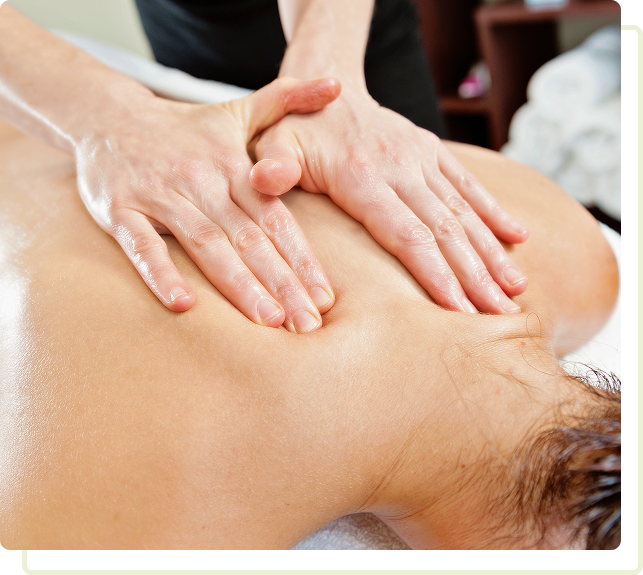
What We Can Do For You
Targeted Relief for Deep Muscle Tension
Deep tissue massage sessions are focused on the areas that need the most work. Pressure and techniques are adjusted based on your pain level, comfort, and goals.
The Purpose of Deep Tissue Massage
Releasing Knots and Restoring Movement
The goal of deep tissue massage is to break up tight muscle fibers, improve circulation, and help muscles return to a healthier, more functional state.
What Happens During a Deep Tissue Massage Session?
Your deep tissue session focuses on specific areas of tightness or pain.
Your therapist will use slow, controlled pressure to work through deeper muscle layers. Pressure can feel intense at times, but it should always stay within a manageable comfort level.
Communication during the session is important so pressure can be adjusted as needed.
How Does Deep Tissue Massage Work?
Deep tissue massage works by applying sustained pressure to tight muscles and connective tissue.
This pressure helps break up adhesions, increase blood flow, and reduce inflammation. As muscles release, pain decreases and movement improves.
Some soreness after a session is normal, especially if muscles were very tight.
How Often Should Someone Get Deep Tissue Massage?
For chronic pain or long-term muscle tension, weekly or biweekly sessions may be helpful at first.
Once pain improves, many clients continue with deep tissue massage once or twice a month to maintain muscle health and prevent tension from returning.
Your therapist can help determine the best schedule for your needs.

Does deep tissue massage hurt?
Deep tissue massage can feel intense, especially in tight areas, but it should not feel painful. Pressure is always adjusted to your comfort level.
Is deep tissue massage better than Swedish massage?
Deep tissue massage is better for chronic pain and muscle tension. Swedish massage is better for relaxation and stress relief.
How is deep tissue massage different from sports massage?
Deep tissue massage focuses on releasing tight muscles. Sports massage focuses on performance, recovery, and injury prevention.
Can deep tissue massage help with back pain?
Yes. Deep tissue massage is commonly used to help relieve chronic back, neck, and shoulder pain caused by muscle tension.
Will I be sore after a deep tissue massage?
Some soreness is normal and usually fades within a day or two. Drinking water and gentle movement can help with recovery.