

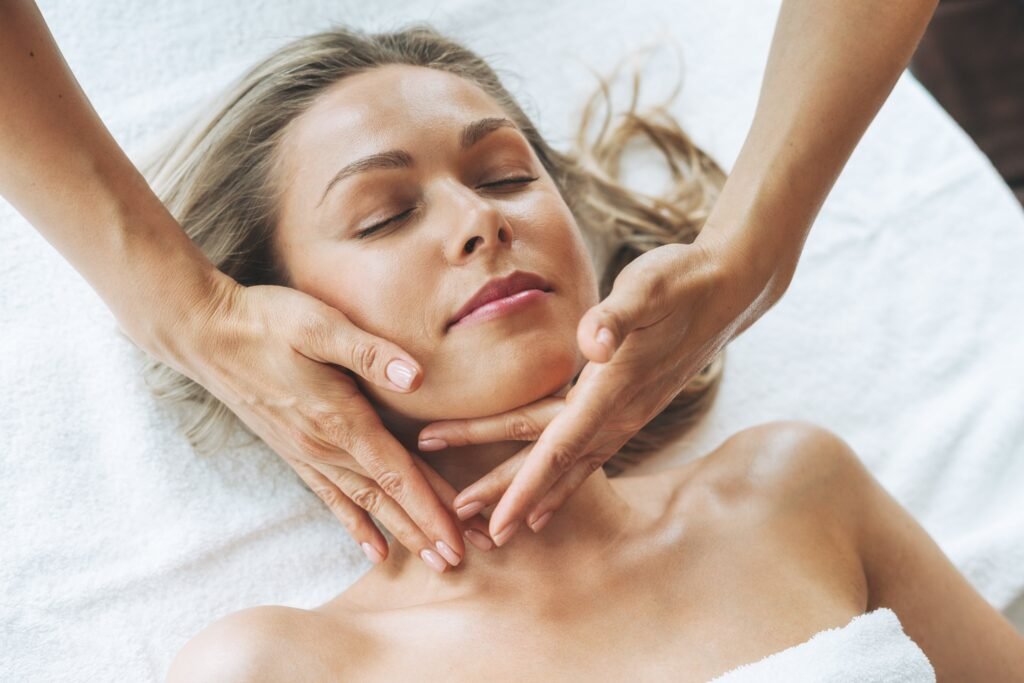
Jaw pain, headaches, clicking or popping in the jaw, neck tightness, and limited mouth movement are common symptoms of TMJ disorder, also known as Temporomandibular Joint Disorder. TMJ affects the joint that connects your jaw to your skull and the muscles responsible for chewing, speaking, and facial movement.
Massage therapy has become one of the most effective non-invasive treatments for TMJ because it focuses directly on the muscular causes of pain and restricted movement. Massage for TMJ works by releasing muscle tension, improving circulation, and restoring healthy jaw mobility while also addressing contributing areas such as the neck and shoulders.
At Therapeutic Kneads, our TMJ massage sessions are designed to safely relieve tension and improve function using precise, medically informed techniques tailored to each client’s comfort level.
How Massage Therapy Helps TMJ
TMJ pain is rarely isolated to the jaw alone. The condition is often caused or worsened by:
- Overworked jaw muscles from clenching or grinding
- Chronic stress and poor posture
- Tight neck and shoulder muscles that strain the jaw joint
- Trigger points that radiate pain into the face or head
- Fascial tension restricting healthy movement
Jaw massage therapy targets all of these contributing factors by manually releasing tension patterns that create pain and dysfunction.
Key Massage Techniques for TMJ Relief
At Therapeutic Kneads, our therapists use specialized methods proven to help managing TMJ discomfort.
External Jaw Massage
Firm yet controlled pressure is applied to the masseter muscles along the cheeks and the temporalis muscles at the temples.
This technique:
- Reduces muscle guarding and tightness
- Calms inflammation in overworked muscle fibers
- Improves circulation to the jaw tissues
- Creates a soothing relaxation effect
Intraoral Massage
With full client consent and gloves for safety, the therapist gently works inside the mouth to reach deep jaw muscles that cannot be accessed externally.
This method:
- Targets tension points directly at the source
- Reduces stubborn pain that external work alone may not reach
- Improves jaw movement symmetry
- Provides fast relief for severe muscular tightness
Intraoral massage is always performed carefully and only when appropriate for the client. It can be extremely effective for chronic TMJ symptoms.
Trigger Point Therapy
Trigger points or muscle knots often form in the jaw, neck, shoulders, and upper back, radiating pain into the jaw or temples.
Trigger point therapy:
- Isolates and releases painful tension points
- Helps stop recurring headache and facial pain patterns
- Improves muscle coordination and jaw alignment
- Reduces clenching-related soreness
Myofascial Release
This technique applies sustained pressure to the fascia, which is the connective tissue surrounding muscles.
- Loosens restricted connective tissue in the face and neck
- Improves flexibility of jaw movement
- Reduces overall muscle stiffness
- Supports long-term pain relief
Neck and Shoulder Work
TMJ disorder almost always involves surrounding postural tension.
Massage in the neck and shoulders:
- Relieves strain pulling on the jaw joint
- Corrects compensatory tension patterns
- Helps reduce stress-based clenching habits
- Improves head and neck alignment
Benefits of TMJ Massage Therapy
Clients receiving massage for TMJ often experience:
- Reduced jaw pain and facial muscle tension
- Fewer and less intense headaches
- Improved circulation in the jaw and facial muscles
- Increased range of jaw motion
- Less clicking, locking, or tightness while chewing or speaking
- Greater relaxation and stress relief, which limits clenching habits
Consistent treatment helps retrain muscles to function normally rather than remaining locked in pain cycles.
What to Expect During a TMJ Massage Session
At your appointment with Therapeutic Kneads, we begin with an assessment focused on the location of pain, jaw tension patterns, postural habits, and lifestyle factors that may contribute to TMJ symptoms.
Your massage session may include:
- Targeted jaw muscle therapy
- Facial muscle release
- Trigger point work in the neck and shoulders
- Myofascial techniques
- Intraoral release if appropriate and with your consent
All techniques are applied at pressure levels designed for comfort while still achieving therapeutic results.
Who Can Benefit From TMJ Massage?
Massage therapy is especially helpful for people experiencing:
- Chronic jaw tightness or soreness
- Clicking or popping of the jaw joint
- Grinding or clenching habits
- Tension headaches or migraines
- Facial muscle fatigue
- Stress related jaw discomfort
- Limited jaw mobility
TMJ massage can be beneficial on its own or as a complementary therapy alongside dental treatment, physical therapy, or medical care.
Treat TMJ Naturally with Therapeutic Kneads
TMJ pain can interfere with everyday life, affecting speech, eating, sleep, and overall comfort. Massage therapy offers a safe, natural, and highly effective way to relieve muscle tension and restore healthier jaw movement.
At Therapeutic Kneads, our trained therapists provide customized massage for jaw pain using clinically informed techniques designed to relieve pain while supporting long-term jaw health. If you are experiencing jaw discomfort or TMJ symptoms, contact Therapeutic Kneads today to schedule your personalized TMJ massage session and begin your path toward lasting relief.