

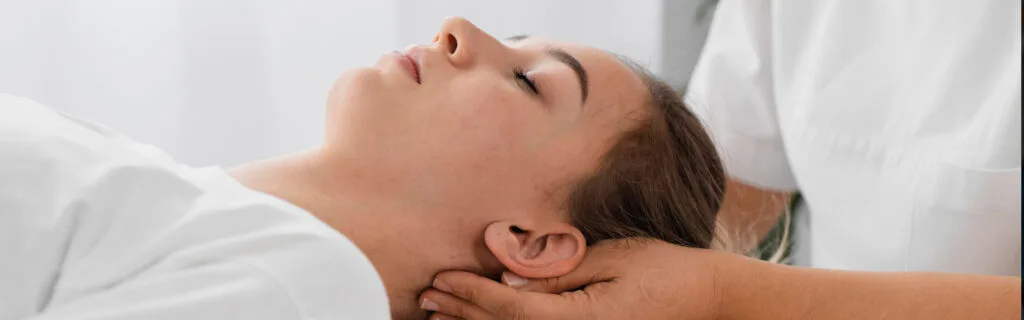
Migraines and chronic headaches are more than occasional discomfort. They can disrupt daily routines, limit productivity, and make even simple tasks feel overwhelming. While many people rely on medication for relief, massage therapy has become a powerful, natural tool that helps reduce the intensity and frequency of migraine symptoms.
Three massage techniques are especially effective at supporting migraine relief: Deep Tissue Massage, Trigger Point Therapy, and Craniosacral Therapy. Each one targets the muscles and structures that are most commonly involved in migraine and headache patterns.
How Muscle Tension Contributes to Migraines
Migraines often begin with tension in the head, neck, shoulders, and upper back. When these muscles become tight, they place pressure on nerves, restrict blood flow, and overstimulate pain pathways. This can either trigger a migraine or worsen one that is already present.
Some of the most common muscles involved include:
- Suboccipitals at the base of the skull
- Trapezius muscles across the upper back and shoulders
- Scalenes in the sides of the neck
- Jaw muscles like the masseter and temporalis
- Muscles around the temples and forehead
When these areas stay tight, they create a cycle of pain and irritation that feeds into migraine symptoms. Massage helps break this cycle by relaxing these muscles and calming the nervous system.
Deep Tissue Massage for Migraine Relief
Deep Tissue Massage focuses on the deeper layers of muscles and connective tissue. This makes it especially helpful for people whose migraines are linked to chronic tightness or long-term muscle strain.
Benefits of Deep Tissue for Migraines
1. Releases chronic tension in the upper back and neck
Areas like the trapezius and levator scapulae often stay tight for long periods. Deep Tissue work helps loosen these muscles and reduce the pressure they create.
2. Improves circulation to the head and scalp
Better blood flow helps reduce inflammation and encourages the body to relax.
3. Helps reduce the frequency of tension-related migraines
By addressing the root causes of muscle strain, many people experience fewer flare-ups.
4. Supports better posture
Forward head posture can strain the suboccipitals and upper neck muscles. Improving posture helps reduce migraine triggers.
Trigger Point Therapy for Migraine Relief
Trigger points are small, irritated knots in the muscle that can refer pain to other areas of the body. Many migraine sufferers have trigger points in the neck, shoulders, jaw, or upper back that send pain directly into the head.
Benefits of Trigger Point Therapy
1. Targets the exact spots that cause referred pain
Trigger points in the suboccipitals can create pain behind the eyes or at the base of the skull. Points in the jaw muscles can lead to temple pressure. Treating these points brings fast relief.
2. Helps reduce headache intensity
Releasing trigger points often decreases the throbbing, pressure, or pulsing sensations associated with migraines.
3. Addresses TMJ-related headaches
Many people clench their jaw during stress or sleep, which aggravates migraines. Trigger Point Therapy helps calm these overworked muscles.
4. Breaks the pain cycle
By softening these painful knots, the nervous system begins to relax and becomes less reactive to stress.
Craniosacral Therapy for Migraine Relief
Craniosacral Therapy is a gentle, hands-on technique that helps release tension in the tissues surrounding the brain and spinal cord. Although subtle, it is highly effective for people who experience migraines triggered by nervous system overload or sensory sensitivity.
Benefits of Craniosacral Therapy
1. Calms an overstimulated nervous system
Migraines often occur when the nervous system becomes overwhelmed. Gentle pressure helps reset the body into a calmer state.
2. Releases tension in the head and face
Soft holds around the skull, temples, forehead, and jaw help ease pressure that contributes to headaches.
3. Supports circulation of cerebrospinal fluid
Improved fluid flow around the brain and spine helps reduce inflammation and pressure-based migraine symptoms.
4. Offers relief without intense pressure
This makes it ideal for people who are sensitive to touch during a migraine episode.
Key Areas Targeted During a Migraine Relief Massage
A therapist trained in migraine relief will focus on the muscles and regions most commonly involved in headache patterns.
Suboccipitals
These small muscles at the base of the skull are a major source of headache pain. Releasing them often creates instant relief.
Trapezius
This large muscle holds stress from posture, screen use, and emotional tension. Reducing tightness here decreases upper back and shoulder strain.
Scalenes
These neck muscles tighten easily and can compress nerves that contribute to migraines.
Jaw Muscles
Clenching or grinding can create pain in the temples, forehead, and behind the eyes.
Temples and Forehead
Gentle work in these areas helps reduce pressure and soothe the muscles involved in facial tension.
Why Massage Is an Effective Support for Migraine Relief
Massage helps reduce the intensity and frequency of migraines by addressing the physical contributors to pain. Most people notice benefits such as:
- Reduced muscle tension
- Fewer migraine episodes
- Decreased headache intensity
- Better sleep
- Relief from jaw clenching or posture strain
- A calmer nervous system
- Improved range of motion in the neck
While massage is not a cure for migraines, it is a powerful and supportive therapy that offers both immediate relief and long-term benefits when done regularly.